Forest Hills Locksmiths Service Team
Local locksmith team
May 22, 2026 11 min read
If you rent an apartment in Forest Hills, Rego Park, or anywhere else across Queens, or if you own a co-op unit in one of the borough's many prewar buildings, you have almost certainly wondered at some point: can I just change my own locks? The short answer is yes — but with real strings attached. New York State law gives tenants meaningful rights around lock changes, yet co-op boards and landlords layer their own requirements on top of those rights, and ignoring those rules can cost you your security deposit, trigger a lease violation notice, or leave you locked out of your own building's common areas. This guide breaks down exactly what Queens residents are allowed to do, what boards typically demand, and when it makes sense to call a professional locksmith.
Whether you live in a rental walkup off Queens Boulevard or a co-op on Yellowstone Boulevard, understanding the hardware rules before you touch a single cylinder could save you a serious headache. Below you will find the actual legal framework, common board requirements, the types of locks most buildings accept, and practical steps for getting the job done right — including when to bring in a trained locksmith Queens NY team that knows the borough's building landscape inside and out.
## What New York Law Actually Says — and Where Co-op Rules Kick In
Under New York Multiple Dwelling Law and New York City Administrative Code Section 27-2043, tenants in most residential buildings have the right to install an additional lock on their own unit door, provided the landlord is given a copy of the key within 30 days of installation. The law is clear that a landlord cannot take that right away through a lease clause. However, the law also requires that any new lock not interfere with the building's master key system or fire safety access — a provision that becomes critically important in older Queens co-ops where a single master key operates elevator lobbies, mail areas, and stairwells. Co-op residents occupy a slightly different legal position than renters: they are shareholders, not traditional tenants, which means the proprietary lease they signed with the co-op corporation can impose additional hardware standards. Most Queens co-op boards require that any lock installed on an apartment entrance door be approved in advance, use a specific keyway that the building's managing agent can record, and not replace the existing cylinder in a way that voids the door's fire rating.
The practical takeaway is this: before you order any hardware or call anyone to install it, pull out your lease or proprietary lease and read the lock and alteration sections carefully. If you rent, you can add a second lock but you owe the landlord a key. If you own a co-op share, you likely need written board approval and may be required to use a specific grade of hardware — most commonly a mortise lock body with a particular cylinder type. Skipping this step is the single most common mistake Queens residents make, and it is entirely avoidable.
## Mortise Lock Requirements: What Most Queens Boards and Landlords Demand
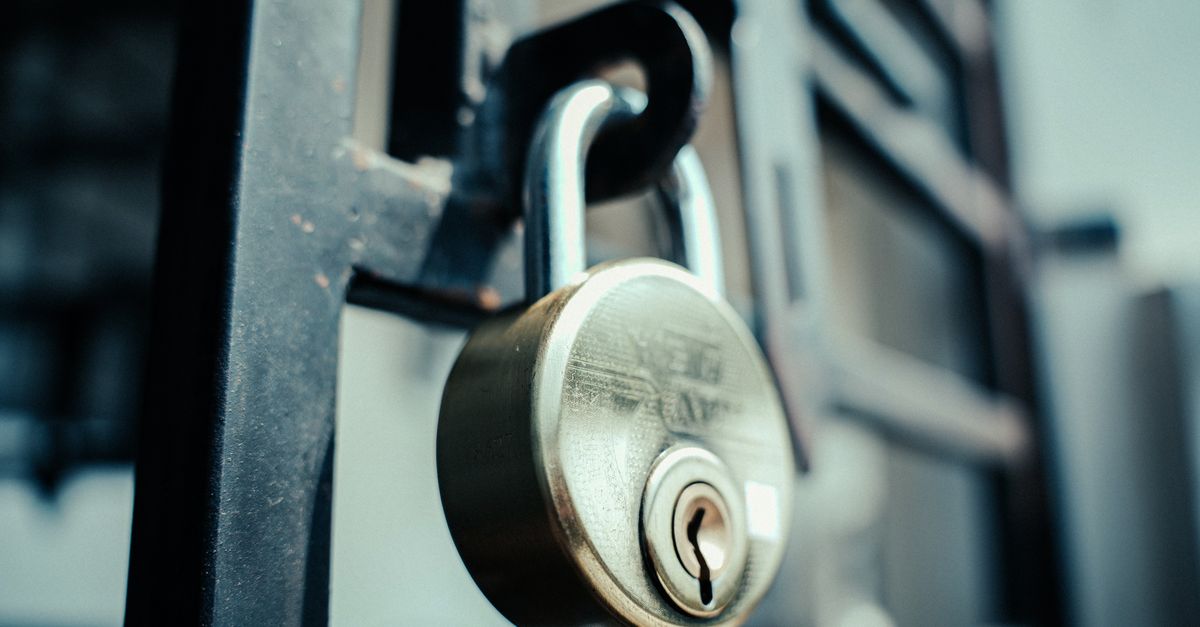
The mortise lock is the workhorse of New York City apartment security, and for good reason. Unlike a simple cylindrical door knob lock that threads through a bored hole, a mortise lock installs in a deep rectangular pocket cut into the door edge. This design makes the latch and bolt mechanism far more resistant to forced entry, and it is the format that the vast majority of Queens co-op boards specify when they outline acceptable hardware in their house rules. If you live in one of the grand prewar buildings near the Austin Street corridor in Forest Hills or the larger co-op complexes along Junction Boulevard, there is a strong chance your front door already has a mortise lock body — the question is usually whether you are allowed to change or rekey the cylinder inside it. A trained locksmith can rekey a mortise lock cylinder in place without replacing the entire lock body, which keeps costs manageable and satisfies most boards because the door's original hardware profile remains unchanged.
When a board does require a full mortise lock upgrade — for example, when a resident is moving into a unit whose existing hardware is worn or non-compliant — they will typically specify a Grade 1 commercial-grade body with a high-security cylinder. Some buildings in central Queens go further and require a double-cylinder deadbolt configuration on doors that open to fire stairs, which has its own fire code implications. Our team at Forest Hills Locksmiths handles mortise lock installation and cylinder replacement regularly across Queens, and we can review your board's requirements before any work begins so the finished installation passes inspection the first time. If you want to get ahead of the process, call us at (718) 509-6003 and we can walk you through what documentation to gather before your board meeting.
## Door Knob Lock vs. Deadbolt vs. Mortise Lock: Choosing the Right Hardware
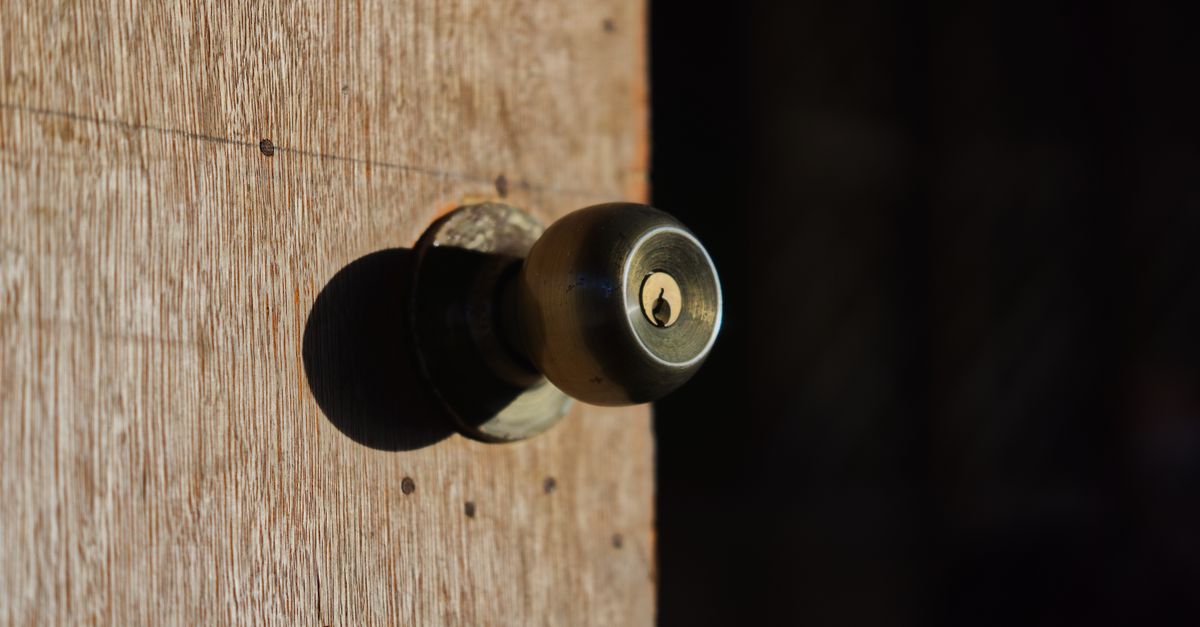
Not every Queens apartment door is a candidate for a full mortise lock, and the difference between hardware types matters both legally and practically. A door knob lock — the spring-latch style most people picture — is rarely acceptable as a primary security device in New York City residential buildings because it provides minimal resistance to forced entry and does not meet the city's multiple dwelling requirements for tenant safety locks. NYC code generally requires at least a 1-inch deadbolt throw on a primary apartment door lock, which rules out most standard knob sets as the sole lock. Co-op boards go further: their house rules almost universally require a deadbolt with a minimum bolt throw, and many specifically name the mortise lock format because it integrates both the latch and the deadbolt into a single reinforced body that cannot be shimmed or kicked as easily as a surface-mounted rim lock.
If your door already has a mortise lock and you simply want to rekey it after moving in — a very smart first step — a skilled locksmith can do that without touching the door frame or lock body. If your door has an older, surface-mounted rim lock (the kind with a separate box mounted to the door's interior face), your board may require an upgrade to a mortise lock installation before you renew your proprietary lease. And if you have a secondary door like a back entrance or a storage room off your unit, a heavy-duty door knob lock set with a separate deadbolt is often acceptable there. The key is to match the hardware to the location and then to what your lease documents actually specify — our experienced team can help you interpret those requirements on the spot.
## Emergency Locksmith Situations: When You're Locked Out and Need Help Now
Even the best-planned lock upgrade can lead to an unexpected lockout — a new cylinder that sticks in cold weather, a key that did not duplicate cleanly, or a co-op door that auto-locks behind you while your keys are on the counter. In these situations, the instinct to try to get back in yourself is understandable, but the right move is to verify your options safely: check for a spare key with a trusted neighbor, contact the building super (most Queens co-ops have 24-hour super coverage for exactly this reason), or check whether another entrance to your unit is accessible. If none of those options work, calling a professional emergency locksmith is the legitimate and fastest path forward. A trained technician can verify your identity and residency before opening any lock — this is standard practice and protects you as much as it protects the building.
What determines the final quote for an emergency locksmith call? The factors that go into pricing include the type of lock on your door (a high-security mortise lock cylinder takes more specialized tools and time than a standard deadbolt), the time of day, the travel distance to your location within Queens, and whether any parts need to be replaced during the visit. At Forest Hills Locksmiths, we confirm an exact up-front price before any work begins — no surprises when the job is done. We operate 24 hours a day, seven days a week across Queens, from Jamaica to Astoria, so whether it is 2 a.m. on a Tuesday or a Sunday afternoon in Woodside, our team is reachable at (718) 509-6003.
## Steps to Change Your Locks the Right Way in a Queens Co-op or Rental
The process for a compliant lock change in Queens follows a fairly consistent sequence regardless of whether you are a renter or a co-op shareholder. Start by reading your lease or proprietary lease in full, focusing on the alteration and lock sections. Next, contact your managing agent or super in writing — email works — to ask for the building's specific hardware requirements and the approval process. Many co-ops have a standard form for this. Once you have the requirements in hand, consult with a professional locksmith who can confirm that the hardware you plan to install meets those specifications and fits your existing door prep (the mortise pocket, bore pattern, and door thickness all matter). Schedule the installation for a time when you can be present and can hand-deliver a key copy to the super or managing agent the same day if required. Keep copies of every written approval and any receipts — if there is ever a dispute with the board, that paper trail is your protection.
A few Queens-specific details worth knowing: the New York City Department of Buildings maintains records on building classifications that affect what hardware is code-compliant, and older Queens co-op buildings — particularly those built before 1940 in neighborhoods like Kew Gardens and Forest Hills Gardens — often have non-standard door thicknesses that require a custom mortise lock backset. A locksmith who works regularly in the borough will recognize these situations immediately. Our team at Forest Hills Locksmiths has worked in buildings across the full range of Queens housing stock, from postwar rental towers to the private-street Tudor homes in Forest Hills Gardens, and we bring that local familiarity to every job. If you are unsure whether your door can accept a standard mortise lock, we can assess it before you commit to any hardware purchase.
Frequently asked questions
Do you need a license to be a locksmith in New York?+
New York State does not currently have a statewide licensing requirement specifically for locksmiths, which means it is especially important to choose a trained, experienced, and insured professional rather than assuming any credential automatically guarantees quality work. Some municipalities have local registration requirements, and reputable locksmiths carry general liability insurance and invest in ongoing technical training. When you call Forest Hills Locksmiths at (718) 509-6003, you are working with a team that is insured and experienced specifically in Queens residential and commercial lock work — that practical, verifiable track record matters more than a certificate that the state does not even require.
Can a locksmith let me into my house if I am locked out?+
Yes — verifying your identity and your right to access the property is the first thing a professional locksmith will do before opening any lock. In practice this means showing a government-issued photo ID and something that connects you to the address, such as a piece of mail, a lease agreement, or a co-op share certificate. Once that verification is complete, a skilled technician can open virtually any residential lock without damaging the door or the hardware. If you are locked out anywhere in Queens, call (718) 509-6003 and our team will respond around the clock.
What locks can locksmiths not open?+
A well-trained locksmith can open the overwhelming majority of residential and commercial locks through non-destructive methods. High-security cylinders — such as those found in certain mortise lock configurations with patented keyways and anti-pick pins — may require the locksmith to drill the cylinder as a last resort, which means the cylinder will need to be replaced afterward. Combination safes with electronic override failures and certain biometric access control systems may also exceed what standard lock service covers. In those cases, the locksmith will tell you upfront what the options are and what each path will involve before any work begins.
What is the difference between a locksmith and an auto locksmith?+
A residential or commercial locksmith focuses on door hardware — installing, rekeying, and repairing mortise locks, deadbolts, door knob lock sets, and access control systems on buildings. An auto locksmith specializes in vehicle entry, transponder key programming, ignition work, and key fob replacement. The tools, training, and parts are quite different between the two specialties. At Forest Hills Locksmiths, our mobile team handles both: we service apartment and co-op doors across Queens and we also respond to vehicle lockouts and car key replacements. The factors that shape the final quote for an auto call include the vehicle make and model, the key type required, and the time of day — just as with residential work, we give you an exact price before we start.