Forest Hills Locksmiths Service Team
Local locksmith team
Jul 17, 2026 11 min read
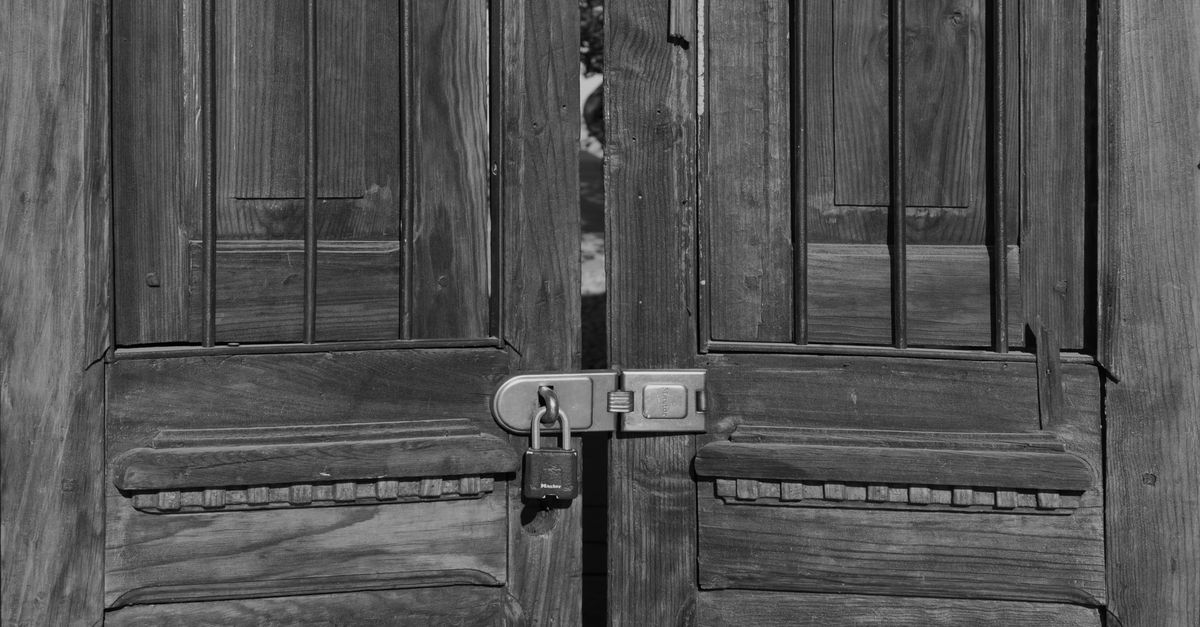
If you live in a prewar co-op or attached brownstone anywhere from Forest Hills Gardens to Woodside, you already know the feeling: you slide your key in, give it a turn, and the door just... resists. Sometimes it catches, sometimes it grinds, and on the worst days it simply refuses to move until you wiggle, jiggle, and shoulder your way through. That stubborn behavior almost always traces back to a mortise lock — the large, rectangular mechanism built into the edge of the door that has been quietly doing its job since before the building had central heating.
Mortise locks are genuinely excellent hardware. They are heavier, more secure, and more durable than the cylindrical knob-and-latch sets that replaced them in postwar construction. But durable is not the same as maintenance-free, and after seventy or eighty Queens winters, even the best cast-iron lock body earns the right to be temperamental. This guide walks you through why these locks stick, what the repair actually involves, and when it makes sense to call a professional locksmith rather than risk turning a sticky lock into a broken one.
## Why Prewar Queens Buildings Are Ground Zero for Sticky Mortise Locks
The residential blocks running off Queens Boulevard — the Tudor-revival buildings near Yellowstone Boulevard, the six-story elevator buildings in Rego Park, the attached rowhouses in Elmhurst — share a construction window from roughly 1920 to 1945. That era produced mortise lock bodies machined from brass, steel, and sometimes pot metal, all of which respond differently to seasonal moisture. Queens sits close enough to Jamaica Bay and the Long Island Sound that humidity swings are wide: summer air is heavy and wet, winter heat is dry and dusty. A wood door that expands half a millimeter in July can bind a mortise bolt that has only a millimeter of clearance to begin with. Add eighty years of repainting door frames without cleaning strike plates, and you have a recipe for a lock that requires a wrist-snap to engage every single day.
There is also a metallurgical reality at work. The internal case of a mortise lock contains a spring-loaded latch bolt, a dead bolt, and a cluster of levers or cams that connect to both the knob spindle and the key cylinder. Over decades, the lubricating grease inside that case dries into a waxy residue that actually creates drag rather than reducing it. Dirt works its way into the case through the spindle holes. The springs weaken. The levers wear flat. None of this happens overnight, which is why tenants and owners often do not notice the gradual stiffening until the lock is genuinely difficult to operate — at which point a change a lock job feels overdue but also intimidating.
## The Four Most Common Causes — and What the Repair Looks Like for Each
Cause one is dried lubricant inside the lock case. The fix here is not WD-40 sprayed into the keyway — that solvent-based product strips remaining lubrication and accelerates wear. The correct approach is to remove the lock body from the door (four to six screws on the mortise case itself, then the cylinder set screws), disassemble the case, clean the levers with a dry cloth, and apply a fresh graphite or Teflon-based lubricant before reassembly. On a standard prewar door this takes thirty to forty-five minutes in the hands of someone who has opened a few hundred mortise cases. Cause two is a misaligned strike plate. Decades of building settlement shift door frames fractions of an inch — enough that the bolt no longer lines up cleanly with the strike opening. You can often diagnose this by rubbing lipstick on the end of the latch bolt, closing the door normally, and looking at where it leaves a mark on the strike plate. If the mark is high, low, or off to one side, the strike needs to be repositioned or the opening needs to be filed slightly larger. This is one of those repairs that many homeowners can handle with a metal file and a screwdriver, but matching the original strike plate on a prewar door can mean sourcing hardware that is no longer sold in standard big-box stores.
Cause three is a worn or cracked key cylinder. The cylinder is the plug your key enters — and if the key has been copied multiple times without returning to the original, tolerances stack up and the plug starts binding inside the shell. If your cylinder is at this stage, the right answer is usually to have a locksmith rekey the lock, which replaces the internal pins to match a fresh-cut key rather than replacing the entire mechanism. Knowing how to rekey a lock is a genuine skill: a trained locksmith uses a plug-following tool to remove the plug, swap out the pin stacks to match a new key bitting, and test the action before reinstalling. For most homeowners, rekeying is worth having done professionally because a misaligned pin can cause worse sticking than the original problem. Cause four is a faulty door knob lock spindle connection. The spindle is the square rod that passes through the lock case and connects knob to knob. When the square drive wears round — which happens after years of torquing against a sticky mechanism — the knob spins freely without retracting the latch. At this point you are dealing with a component replacement, not just lubrication. A qualified locksmith will evaluate whether the existing mortise case can accept a replacement spindle or whether the case itself needs to be swapped out for a compatible modern unit that fits the same door pocket.
## When to Call an Emergency Locksmith Instead of Waiting Until Morning
A sticky lock that has been manageable for months has a way of failing completely at the worst possible time — a cold Tuesday night, a grocery run that leaves you locked out on the stoop in Jackson Heights. If the lock has reached the point where the key will not turn at all, or the knob spins without retracting the latch, waiting until morning means spending the night locked out or leaving a door unsecured. That is exactly the scenario an emergency locksmith service exists for.
It is worth understanding what a legitimate emergency locksmith visit actually involves. A professional will first ask you to confirm you are the resident — this is standard practice and something any responsible locksmith does before opening a door. They will assess the lock condition, explain what they find, and give you an exact price before doing any work. The factors that shape the final quote on an emergency call include the time of day, your location within Queens, the condition and age of the lock body, and whether parts need to be sourced or carried on the truck. If your mortise lock can be repaired on the spot, great. If the case is cracked or the spring pack is broken beyond service, the locksmith will walk you through replacement options that fit the existing door pocket. Forest Hills Locksmiths is available around the clock for exactly these situations — call (718) 509-6003 any hour and a trained technician will be on the way.
## Repair Steps That Actually Last: A Professional Approach to Mortise Lock Service
The repairs that hold up over time share one thing: they treat the whole system, not just the symptom. A locksmith who only squirts lubricant into the keyway and calls it done is solving this week's problem while setting up next month's failure. A thorough mortise lock service for a prewar Queens door looks like this: remove the lock body and inspect the case interior, clean and lubricate the lever set and latch mechanism, inspect the cylinder for wear and rekey or replace as needed, check the spindle engagement and replace if rounded, reinstall the case, test the action with the door open and closed, and adjust the strike plate for proper bolt alignment. Before leaving, a good locksmith will also note whether the door frame itself has shifted enough to require a deeper fix — because no lock service lasts if the frame continues to move.
One question that comes up often: can a homeowner do any of this without calling someone? Yes, partially. Adjusting or shimming a strike plate is a reasonable DIY task if you are comfortable with basic tools. Applying graphite lubricant to the keyway is safe and helpful for mild sticking. But disassembling a century-old mortise case carries real risk — lever springs are under tension, the cam geometry is not obvious, and a case incorrectly reassembled can jam completely. If you are at all uncertain about what you are looking at inside the case, the cost of a professional locksmith visit is far less than the cost of replacing a door or having a locksmith undo a DIY repair gone wrong. Some residents also ask about simply swapping in a modern lock — a knob-and-deadbolt combination, a keypad door lock, or a smart lock — but on a prewar mortise pocket door that option requires either a specialty mortise-to-bore adapter or significant door modification. A skilled locksmith can walk you through what is feasible for your specific door.
## What Queens Locksmiths Actually Do Beyond Fixing Sticky Doors
Forest Hills Locksmiths handles the full range of residential, commercial, and automotive lock work across Queens — not just the mortise lock calls that come in from prewar buildings. A partial list of services available seven days a week, any hour: residential lockout service, commercial lockout service, mortise lock repair and replacement, deadbolt installation, knob and lever set replacement, high-security lock upgrades, rekeying residential locks, rekeying commercial locks, master key system design, door knob lock repair, mailbox lock replacement, padlock installation, storefront door lock service, file cabinet lock service, desk lock service, garage door lock service, window lock installation, sliding door lock repair, keypad door lock installation, keypad door lock programming, smart lock installation, smart lock troubleshooting, car lockout service, car key cutting, transponder key programming, key fob replacement, ignition lock repair, and safe opening service. Whether you are a building super in Rego Park dealing with a tenant lockout, a shop owner on Jamaica Avenue who needs a new commercial lock after a break-in attempt, or a homeowner in Forest Hills whose antique mortise lock finally gave out — the team at Forest Hills Locksmiths can assess the situation, explain the options, and confirm an exact price before any work begins. Call (718) 509-6003 — we answer 24/7.
Frequently asked questions
Can a locksmith let me into my house if I'm locked out?+
Yes — that is one of the most common calls a residential locksmith handles. A trained locksmith will verify that you are the resident or authorized occupant before opening the door, which is a standard and responsible step. They will assess the lock condition, explain what they plan to do, and confirm the price before starting any work. If your lock is damaged or too worn to service after entry, they can often replace it on the same visit. Forest Hills Locksmiths handles residential lockouts across Queens at any hour — call (718) 509-6003 and a technician will come to you.
What locks can locksmiths not open?+
A skilled locksmith can open the vast majority of residential and commercial locks, including older mortise lock bodies, high-security cylinders, and most deadbolts. Some high-security locks — certain biometric systems, very high-grade multi-point locking mechanisms, and safes with active relockers — require specialized equipment or techniques and may take longer. In some cases a lock may need to be drilled rather than picked, which means replacement follows immediately after. A locksmith will always explain the approach and likely outcome before proceeding so you can make an informed decision.
Do you need a license to be a locksmith in New York?+
New York State does not currently have a statewide licensing requirement specifically for locksmiths, but New York City has its own regulations under the NYC Administrative Code, and individual locksmith technicians may be required to register or operate under a licensed business. What matters practically is choosing a locksmith company that is insured, has verifiable experience, and employs trained technicians who follow professional standards — not just someone who owns a pick set. Forest Hills Locksmiths operates as an insured mobile locksmith service with experienced technicians who work across Queens every day.
How much does it cost to call an emergency locksmith in NYC?+
The final price on an emergency locksmith call depends on several factors: the time of day, your location in Queens, the type and condition of the lock, and whether any parts — a new cylinder, a replacement mortise case, or a fresh key — are needed. There is no single flat answer that is honest for every situation. What Forest Hills Locksmiths commits to is confirming an exact price with you before any work begins, so there are no surprises when the job is done. To get a clear quote for your specific situation, call (718) 509-6003 and describe what you are dealing with.