Forest Hills Locksmiths Service Team
Local locksmith team
Jul 31, 2026 11 min read
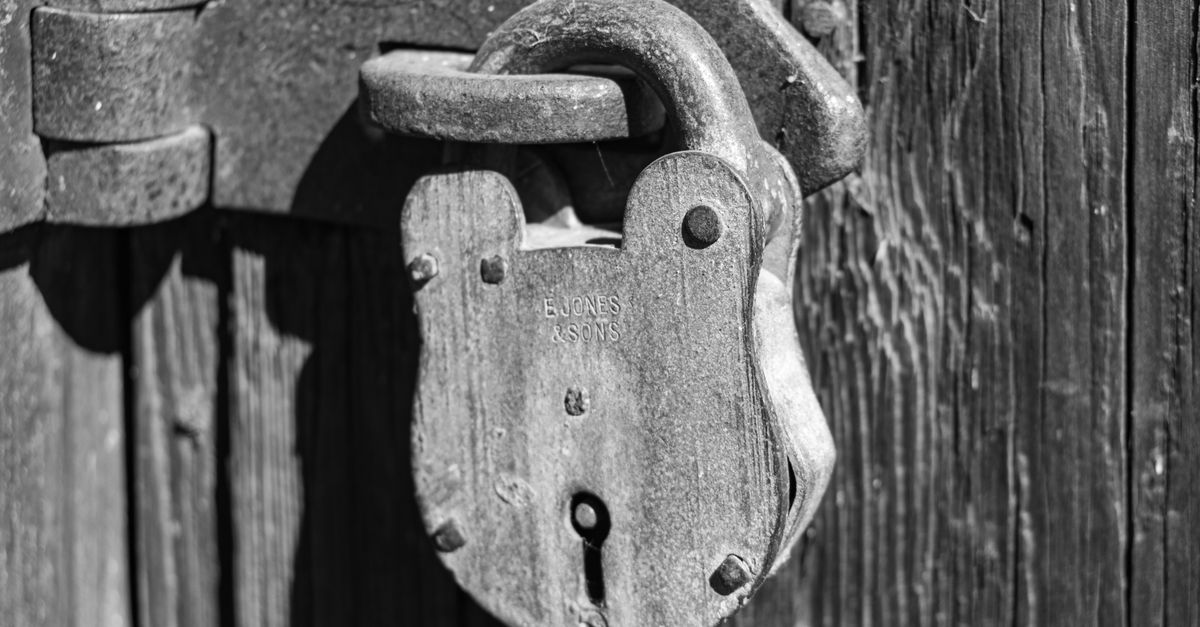
If you live in an older home in Forest Hills, Kew Gardens, or along the tree-lined streets near Queens Boulevard, there is a good chance your front door is hiding a piece of hardware that most people never think about until something goes wrong — a mortise lock. These deep-set, rectangular lock bodies have been the backbone of New York City apartment and row-house security for well over a century, and they work very differently from the simple deadbolt-and-knob combos found on newer construction. The good news is that a well-maintained mortise lock is actually one of the most secure options available. The not-so-good news is that age, hard winters, and decades of use can quietly turn that strength into a liability.
This guide will help you figure out exactly what type of lock is sitting in your door right now, what the warning signs of a failing mortise lock look like, and when it makes sense to repair versus replace. Whether you are a longtime Forest Hills homeowner or a new buyer who just inherited a 1940s Tudor with original hardware, understanding your lock is the first step toward genuine peace of mind. And if you need hands-on help at any point, the team at Forest Hills Locksmiths is reachable at (718) 509-6003, around the clock, seven days a week.
## What Is a Mortise Lock — and How to Tell If You Have One
A mortise lock is a lock body that is installed inside a carved-out pocket — the mortise — cut directly into the edge of the door. Instead of sitting on top of the door surface like a standard cylindrical lockset, the entire mechanism lives inside the door. From the outside you typically see a trim plate, a handle or lever, and a keyhole. From the edge of the door, when opened, you can see a tall, rectangular steel faceplate flush with the wood or metal. That flush faceplate is your clearest visual clue. If it is roughly four to eight inches tall, narrower than an inch, and appears to be a box sitting deep inside the door edge rather than a surface-mounted barrel, you almost certainly have a mortise lock set.
In Forest Hills and the surrounding Queens neighborhoods, the most common places to find these locks are on pre-war brick apartment buildings, attached row houses built between the 1920s and 1950s, and single-family homes along streets like Exeter Street or Greenway South. Classic American hardware names like Corbin Russwin and Baldwin were standard equipment in this era. A Corbin Russwin mortise lock, for example, is a heavy, well-engineered unit that can outlast the door itself — provided it receives occasional maintenance. A Baldwin mortise lock, often found on higher-end residential properties, is similarly durable but requires the right replacement cylinder if the original is ever lost or damaged. Knowing the brand stamped on your faceplate matters when you call for service, because parts are not universal across manufacturers.
## Mortise Lock vs. Cylinder Lock: Understanding the Core Difference
The phrase cylinder lock gets used loosely, but in a locksmith context it most often refers to either a rim cylinder lock or a standard cylindrical lockset — both of which mount differently from a mortise unit. A rim cylinder lock is the style commonly seen on older New York City apartment doors, where the cylinder sits on the surface of the door and connects to a rim latch or rim deadbolt on the interior side. It is a separate add-on, not an integrated body inside the door. A standard cylindrical lockset — the kind sold at hardware stores — bores through the door face and relies on a spring latch, with an optional separate deadbolt above it. Neither design encloses the full bolt and latch mechanism inside a single pocket the way a true mortise lock set does.
The practical difference is significant. Because a mortise lock houses its deadbolt, latch bolt, and sometimes a secondary night latch all within one thick steel case, it is inherently more resistant to kick-in and prying attacks. The lock case distributes force across a larger section of the door edge. A standard cylindrical lock, by contrast, concentrates all the stress on a small strike plate and a single bolt. For exterior doors in an urban environment like Queens, that structural difference is not trivial. That said, a mortise lock on an exterior door that has a worn cylinder, a cracked case, or a misaligned strike plate offers only the illusion of security — which is exactly why knowing the warning signs matters.
## Warning Signs Your Mortise Lock Needs Repair or Replacement — and When to Call a Locksmith
Age alone is not a reason to replace a mortise lock. Many units installed during the Eisenhower administration are still operating smoothly. What does signal a problem is a specific pattern of symptoms. Watch for these: the key requires extra force or a jiggling motion to turn; the latch bolt does not retract smoothly when you push the handle; the door has to be lifted or shouldered to align the bolt with the strike plate; you can see daylight or feel a draft around the lock faceplate; or the interior thumb-turn spins without engaging. Any one of these can often be resolved with a mortise lock cylinder swap, fresh lubrication, or a strike plate adjustment — relatively straightforward jobs for an experienced locksmith. Multiple symptoms together, or signs of physical damage to the lock case, usually indicate the entire lock body should be replaced.
There is also a security-specific trigger: if you have recently moved into a property, lost a key, ended a tenancy, or had any unauthorized person with key access, rekeying or replacing the mortise lock cylinder is not optional — it is basic due diligence. A skilled locksmith can rekey many mortise cylinders on the spot without replacing the entire lockset, which preserves your original hardware while eliminating any key that is no longer in your control. If you are in that situation right now, do not wait. Call (718) 509-6003 and a trained member of our team can assess the lock on-site, confirm an exact price before any work begins, and get your door secure the same visit. The final quote accounts for factors like the specific lock brand and model, the parts required, travel distance, and the time of day — so you always know the number before we start.
## Repair, Rekey, or Full Replacement: Choosing the Right Fix for Your Queens Door
Once you know you have a mortise lock and you have identified a problem, the next decision is whether to repair, rekey, or replace. Repair makes sense when the lock body is structurally sound but a single component — a worn spring, a stripped cam, a cracked follower — has failed. A qualified locksmith who regularly works with vintage hardware can often source or fabricate the right part and restore the lock to full function. This is frequently the best path for historic properties where original hardware adds character and value, which is common in Forest Hills Gardens, one of the few planned garden communities in New York City and a neighborhood where preserving period details is a genuine priority for many owners.
Rekeying the mortise lock cylinder is the right call when the lock body is in good shape but key control has been compromised. It is faster and less disruptive than a full swap. Full replacement of the mortise lock set makes the most sense when the case itself is cracked or corroded, when the door has been modified and the original lock no longer fits correctly, or when the homeowner wants to upgrade to a modern mortise lock set for an exterior door that includes enhanced anti-pick and anti-drill features. High-quality residential mortise units are available from several reputable hardware manufacturers and can be fitted to most standard door preparations. Our team carries a selection of residential and commercial-grade units and can walk you through the options that match your door prep, your security goals, and your aesthetic preferences — no upsell pressure, just honest guidance.
## Queens Locksmith Services: What a Mobile Locksmith Can Handle at Your Door
Forest Hills Locksmiths operates as a fully mobile, 24/7 service covering Forest Hills, Rego Park, Kew Gardens, Richmond Hill, Ozone Park, Jackson Heights, Flushing, Jamaica, Bayside, Astoria, Long Island City, and surrounding Queens communities. Below is a representative list of what our trained locksmiths handle on residential, commercial, and automotive calls: mortise lock repair and replacement, mortise lock cylinder rekeying, rim cylinder lock installation and repair, deadbolt installation and upgrade, door knob lock repair and replacement, high-security lock installation, smart lock and keypad lock setup, door frame and strike plate reinforcement, lock-out response for homes and apartments, lock-out response for cars and trucks, car key replacement and duplication, transponder key programming, key fob replacement and programming, ignition cylinder repair and replacement, broken key extraction from locks and ignitions, master key system design and setup, commercial locksmith services for storefronts and office suites, panic bar and push-bar installation, access control system installation, cabinet and mailbox lock service, safe opening and safe lock repair, padlock replacement and rekeying, window lock installation, garage door lock and handle service, and after-hours emergency locksmith response for both residential and commercial properties. Every call, day or night, gets a trained technician dispatched to your location — not a call center redirect.
Frequently asked questions
Can a locksmith let me into my house if I am locked out?+
Yes — responding to residential lockouts is one of the most common calls we handle across Queens. When you contact us, we will ask you to confirm your identity and your connection to the property before any work begins; this is standard practice and protects you as much as it protects the property. A trained locksmith can open most door types, including those with mortise locks, rim cylinder locks, and standard deadbolts, without damaging the door or the lock in the vast majority of cases. Before calling, it is worth checking whether any other door or window is unlocked, or whether a neighbor or building super holds a spare key — those are the fastest zero-cost options. If none of those apply, call (718) 509-6003 and we can have a technician at your Queens address quickly, any time of day or night.
What locks can locksmiths not open?+
Practically speaking, a skilled locksmith can open nearly any lock given the right tools and enough time. What differs is the method and the trade-off between speed and preserving the lock. Some high-security locks — those with tight tolerances, anti-pick pins, and hardened steel inserts — require more time and specialized tools, but they can still be opened non-destructively by an experienced professional. Certain high-grade padlocks or vault locks may require drilling as a last resort, which destroys the lock cylinder. Biometric or electronic locks that have lost power or suffered a firmware failure sometimes need a bypass approach specific to that brand. In short, the question is less about whether a locksmith can open a lock and more about the method required and whether the lock survives the process intact.
How much does it cost to call an emergency locksmith in NYC?+
There is no single flat figure because several factors shape what any legitimate locksmith will quote: the type of lock involved (a standard deadbolt differs from a mortise lock set or a high-security cylinder), the make and model of a vehicle if it is an automotive call, the time of day since after-hours and overnight calls involve different logistics, your location and how far the technician needs to travel, and whether parts need to be sourced or are carried on the van. What we can tell you is that Forest Hills Locksmiths confirms an exact price with you before any work begins — no surprise charges when the job is done. If you want a ballpark for your specific situation, the fastest way is to call (718) 509-6003 and describe what you need; we will give you a clear number upfront.
Do you need a license to be a locksmith in New York?+
New York State does not currently require locksmiths to hold a state-issued license in the same way that electricians or plumbers do, though New York City has historically had its own registration requirements for locksmiths operating within the five boroughs. What this means for you as a consumer is that the credential that matters most is not a piece of paper — it is verifiable experience, insurance, and a track record of honest, transparent work. Forest Hills Locksmiths is insured, and our technicians are trained professionals with hands-on experience across residential, commercial, and automotive lock systems. When evaluating any locksmith, ask whether they are insured, whether they give a written or verbal price before starting, and whether they will show identification on arrival. Those three questions will tell you more than a certification number alone.